An open flame, honestly framed
A scented candle is a small open flame held inside a glass jar. Most evenings, nothing happens. The flame lights, the wax pools, the room smells good, and the jar goes out on its own or with a quick pinch of the wick. That ordinary routine is the reason this article exists.
A candle, looked at plainly, is fire in a container. The glass gets hot. The wax is fuel. The wick is the ignition. None of that is dangerous in itself. And yet every year a meaningful share of home fires begins with a candle that was left burning, knocked over, or set too close to something that should not have been near it in the first place.
The good news is that the habits that prevent most of those problems are short and boring. Trim the wick before each burn, so the flame stays low and steady. Keep the candle away from drafts, curtains, paper, and anything that can catch. Put it on a stable, heat-safe surface.
Don't walk away from a lit candle, and don't burn it all the way down to the bottom. None of this is a new idea. It is just the kind of thing people stop doing when nothing has gone wrong yet.
A well-made candle gives those habits a better starting point. Village Candle's dual wick technology spreads heat across the surface, which produces an even melt pool and a cleaner burn. Wicks are lead-free cotton, trimmed by hand. None of that replaces basic care, but it makes basic care easier to get right.
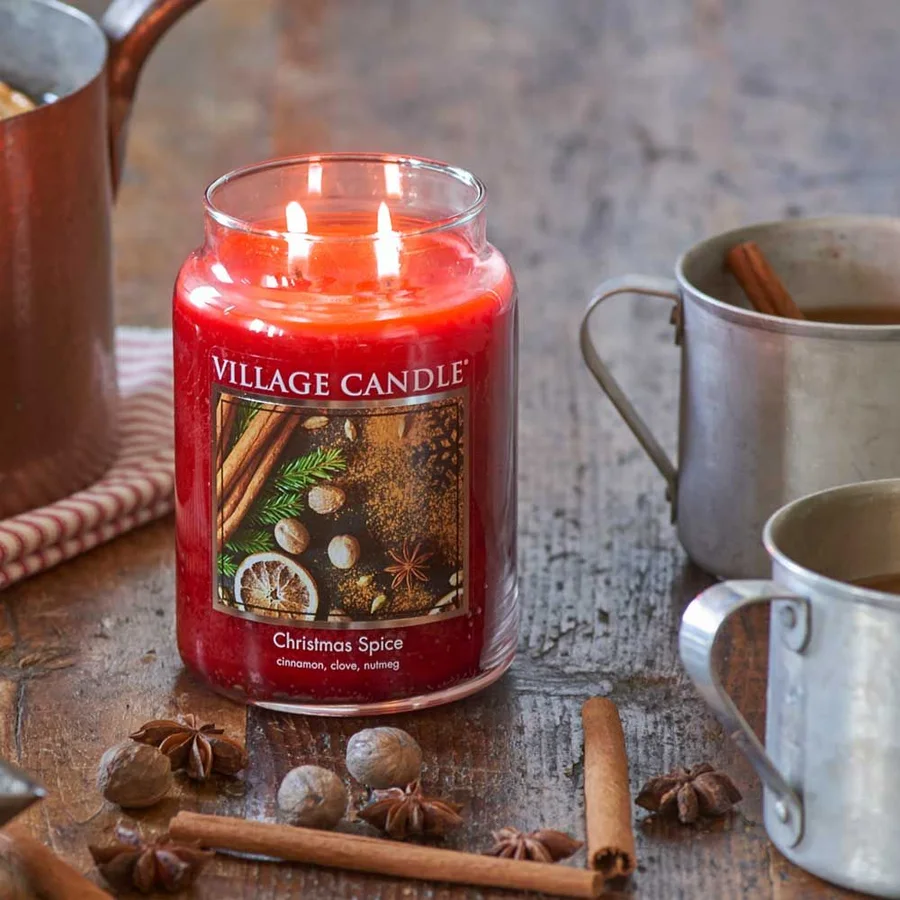
a candle is an open flame, which means that it can easily ignite anything that can burn
National Fire Protection Association, Safety with candles. Read 17 August 2026.
Placement: the twelve-inch rule
A burning candle gives off more heat than most people expect. The flame itself is small, but the jar and the air around it warm up quickly, and that warmth travels upward. The single most useful rule for placement is the boring one: keep a clear foot of space above the candle and around it. Twelve inches above means twelve inches. A shelf at ten inches is not the same thing. That buffer keeps nearby décor from scorching and gives you room to reach the jar without brushing the flame.
Draughts are the quieter hazard. A candle near an open window, a ceiling fan on low, or a vent that cycles on and off will burn unevenly. One wick smokes while the other tunnels. The flame leans. Sometimes it sparks. None of that is dramatic in a still room, but it is the kind of behavior that ends with a curtain edge singed or a wax line down the side of the jar.
Pick a spot where the air is calm: away from fans, heating and cooling vents, and the path between an open door and a window.
High shelves and bookcases are tempting because they look tidy. They are also where a candle is hardest to watch and hardest to reach if something goes wrong. Heat rises into whatever sits on the shelf above, and a jar near the edge can be knocked by a pet, a child, or a careless elbow. Lower, stable surfaces where the candle sits centered and where you can see the flame from across the room are almost always the safer choice.
The last category is the obvious one, and worth repeating: anything that burns. Curtains, drapes, paper lampshades, hanging dried flowers, a stack of mail, a linen runner. A candle should sit at least a foot from any of these, and farther if the fabric is loose or the curtain moves with the room's air. If you can imagine the fabric drifting toward the flame in a small breeze, move the candle. The rules are dull on a quiet evening. They are the only reason a quiet evening stays quiet.
Keep candles at least 12 inches from anything that can burn.
National Fire Protection Association, Safety with candles. Read 17 August 2026.
Trim before every burn
A candle's wick does not stay the right length on its own. Between burns, the tip chars and forms a small carbon cap, sometimes called a mushroom. Light that, and the flame runs too hot. It throws soot, wastes wax, and can make the melt pool climb unevenly up the side of the jar. None of that is what you bought the candle for.
Most safety guidance asks for a trim before every single burn, including the relights. The common rule is to leave about a quarter inch of wick above the wax. A dedicated wick trimmer is the easiest tool. Sharp scissors work too. Pinch the trimmed bit between your fingers and drop it onto a piece of paper, not back into the melt pool.
Trimming matters most for the opening burn, when the wick is fresh and the wax is still finding its way to the edges of the container. A long wick on that first lighting is the most common cause of a candle that tunnels down the middle and never melts out. Once a candle has tunneled, no amount of trimming brings the walls back, so the opening burn is the one to get right. Trim, then light, then give it the time it needs to pool edge to edge.
For a dual wick candle, both wicks want the same treatment, and at the same length. Trim them together so they light evenly and burn down in step. Uneven wicks tend to produce uneven flames, with one side pooling faster than the other and the wax drifting off level. The point of two wicks is a balanced burn, and balance starts with the trim.
Village Candle wicks arrive hand trimmed and made from lead-free cotton, so the first burn is already in good shape. After that, the trim-before-each-burn habit is what keeps the flame steady, the jar clean, and the room smelling like the candle and not like smoke.
Trim the wick to ¼ inch before each use to prevent high flames and soot.
National Candle Association, Candle Safety Tips. Read 17 August 2026.
Session length and hot glass
A burning candle is a small heat source, but treated carelessly it behaves like a much bigger one. The first habit worth picking up is capping each burn session, which is the single most common cause of jars that get uncomfortably warm and wax that tunnels down the center.
The general guidance is straightforward. Most safety bodies recommend no more than about four hours of continuous burn per session, and many experienced chandlers treat three as a practical ceiling. After that, the wax pool gets deep, the glass heats up, and the wick is burning in a small, hot reservoir of liquid wax. That is the moment jars feel almost too hot to handle, and it is also when fragrance throws off and the wick starts to droop or mushroom more than it should.
A second habit addresses the same problem from the other side. The first burn matters most. On the very first lighting, let the candle burn long enough for the wax to melt all the way across the top, edge to edge. If you blow it out before that happens, the candle remembers.
Every future session will tunnel down the middle instead of pooling out, and a tunneled wick sits in hotter wax for less of the jar's volume. With Village Candle's dual wick designs, an even melt pool is the whole point of the format, and that first burn sets the pattern the rest of the jar will follow.
Between sessions, keep the wick trimmed. A short wick burns cooler than a long one, which means a cooler jar and a steadier flame. A standard guideline across most candle makers is roughly a quarter inch, and trimming before each lighting is easier than trimming after the wax has pooled.
Finally, give the candle a rest. Letting the wax cool fully between sessions lets the glass return to room temperature, lets the fragrance reset, and lets you check the wick before relighting. It is a small pause that protects the jar, the fragrance throw, and the lifespan you paid for.
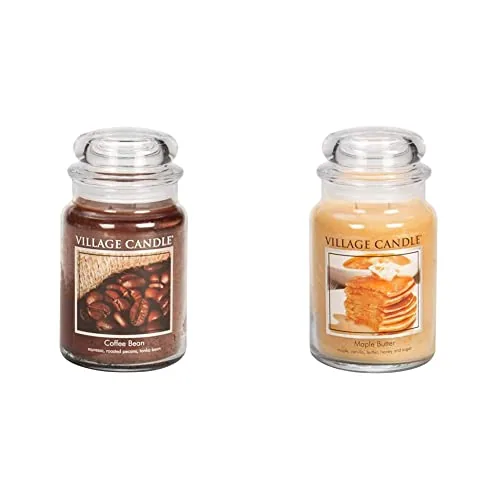
U.S. fire departments responded to an annual estimated average 5,894 home structure fires whose heat source was candles.
National Fire Protection Association, Safety with candles. Read 17 August 2026.
Children, pets and the warmer alternative
A burning candle on a coffee table sits at exactly the height a toddler reaches for and a cat tail sweeps past. Most safety guidance starts from that fact: keep lit candles where small hands and curious paws can't get to them. A side table behind a sofa, a high shelf, or a closed room during the burn are the usual answers. None of them are exciting, and all of them work.
Stability matters as much as placement. A wide, heavy jar is harder to knock over than a slim pillar, and the weight of the wax itself helps anchor it. Village Candle's larger jars, in the 21.25 to 26 ounce range, fall into that steadier category.
Still, any candle can tip if a pet jumps onto the surface or a child climbs a chair. A tail brush or a small hand reaching for the table edge is all it takes. Burning on a level surface, away from drafts that make flames lean and drip, is the practical baseline.
The plainest rule is also the one people skip: never leave a lit candle unattended. A quick trip to another room is how most household incidents start. Extinguishing before bed, before leaving the house, or before opening a door that might let a breeze through takes a few seconds and removes the risk entirely. Village Candle's dual wick designs help the melt pool form evenly across the top, which means less tunneling and a steadier flame through the life of the candle.
For homes where the worry never really goes away, fragrance without an open flame is worth considering. Wax melts use a small warmer to release scent, so there is no flame to reach for and no hot wax pool at floor level. The room smells the same, but the risk profile is completely different.
Village Candle's range includes ten melts and small formats alongside its jars, giving households with very young children or particularly bold pets a way to fill the room with scent without keeping a live flame in it.
Putting a candle out, and the last half inch
The simplest way to end a burn is with a snuffer. It cuts off the air without sending a plume of hot wax across the table. Blowing works in a pinch, but it can splatter, and it often leaves a trail of smoke drifting through the room. Either way, give the wax a moment to settle before you move anything.
Once the flame is out, take a look at the wicks. Our wicks are hand-trimmed before they leave Maine, but a quick tidy between burns keeps them in shape for next time. Center anything that has drifted toward the glass. On our dual-wick jars, both wicks want to be upright and roughly the same height. A pair of wick trimmers or even a clean pair of scissors does the job.
The other habit worth keeping is stopping the burn with about half an inch of wax left in the jar. That thin layer is the buffer between the flame and the bottom of the container. Push past it and the heat has nowhere to go but into the glass or the surface beneath. For our large jars, with burn times that stretch past a hundred hours, this last stretch can sneak up on you. It helps to track where the melt pool sits after a few uses.
Before you relight, make sure the wax has cooled and the wicks are cool to the touch. Clear away any matches or debris that fell in during the last burn. And don't move the jar while the wax is still liquid. A few seconds of patience here is what keeps a relaxing candle a relaxing candle.
Don’t burn candles all the way down—stop when ½ inch of wax remains.
National Candle Association, Candle Safety Tips. Read 17 August 2026.
Melts and warmers: the flame-free path
Melts and warmers take the flame out of the equation. There's no open fire to catch a curtain, no wick to mushroom and flare, no soot drifting up to mark a ceiling. For a lot of households, that alone is reason enough to keep a warmer on the shelf.
A wax warmer does the same job a candle does, just with a light bulb or a small heating element under a dish instead of a burning wick. The fragrance fills the room the same way. There's nothing to blow out at bedtime, no match or lighter, and no wick that needs trimming between sessions.
Our melts and small formats are made for exactly this kind of setup, and they sit in the same scent families as the jars and bowls, so switching between formats doesn't mean giving up a favorite.
Warmer doesn't mean worry-free. The dish and the wax inside it get hot enough to burn skin. Set the warmer on a flat, stable surface, well back from edges, curtains, and anything that can scorch. Don't pick it up to move it while the wax is liquid. Unplug it when you leave the room for a stretch, and don't leave it running unattended overnight.
A couple of habits keep things tidy. Use only melts made for warmers, not candle scraps, crayons, or other wax that wasn't formulated for the dish. Clean the dish between scents so yesterday's bakery doesn't fight today's pine. And keep warmers and melt cups out of reach of children and pets. The wax looks a lot like candy once it cools, and a curious mouth is a real risk.

Blow out all candles before you leave a room or go to bed!
National Fire Protection Association, Safety with candles. Read 17 August 2026.
Soot on the glass and on the wall
Soot on the walls or inside the jar glass is the most common candle complaint, and almost always the cause is something you can fix in a minute. The usual suspects are a wick that has grown too long, a draft sneaking across the flame, or a candle working harder than it should in a room that is the wrong size for the jar.
A long wick is the most common reason a candle starts to blacken the glass or smoke. Once the flame gets above about a quarter inch of wick, it pulls more fuel than it can burn cleanly, and the excess comes off as soot. Our wicks are hand-trimmed and made from lead-free cotton, but they grow between burns as the wax pool cools.
Before each lighting, trim the wick back to roughly a quarter inch. The first sign you have waited too long is a soft mushroom of carbon at the tip. Snip it off before relighting.
Drafts cause the same problem in a different way. A flame that leans or flickers is not burning efficiently, and unburned carbon drifts up onto nearby surfaces. Move the candle away from open windows, heating vents, ceiling fans, and busy walkways. A stable, upright flame is what you want.
Jar size matters more than people think. A small candle in a big open room gets knocked about by air currents. A very large jar in a tiny room concentrates heat and scent, which can overstress the wicks. Match the candle to the room. Medium jars and bowls in the eleven to nineteen ounce range suit most bedrooms and bathrooms.
Large jars, twenty-one to twenty-six ounces with our dual wick design and an even melt pool, are better suited to living rooms, kitchens, and other open areas where air moves more.
Finally, give the wick a clean start and a clean finish. The first burn should melt the wax all the way to the edge of the jar, which prevents tunneling and keeps the flame at the right height. On later burns, two to four hours is plenty. Anything longer and the jar gets hot enough to discolor. Stop using the candle when only about half an inch of wax remains. None of this is complicated, and once you have built the habit, soot stops being something you live with.
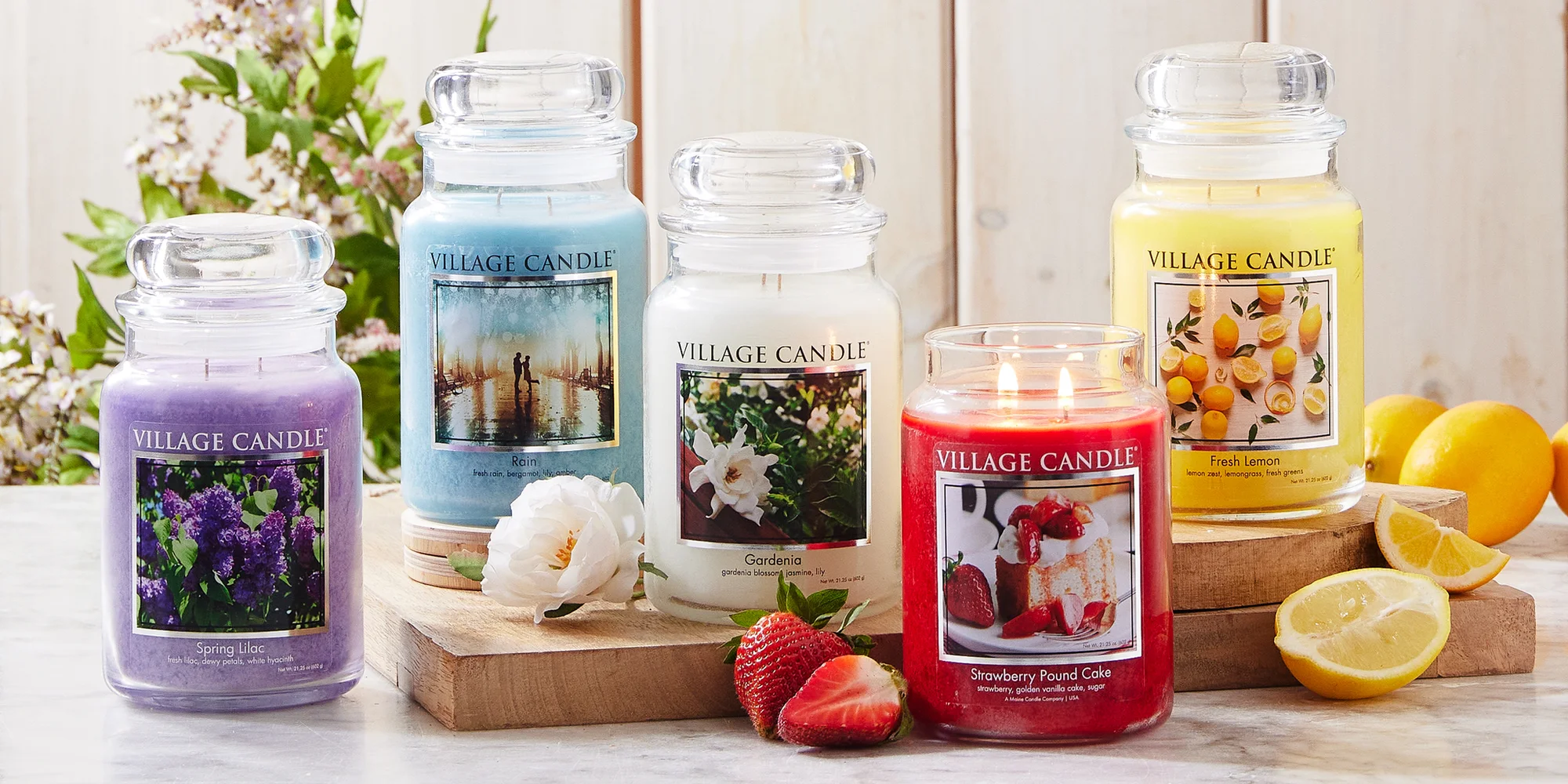
Keep multiple candles at least 3 inches apart to prevent melting each other.
National Candle Association, Candle Safety Tips. Read 17 August 2026.
A cracked jar and the last of the wax
A cracked jar is more common than people expect, and it usually happens after the candle has been burning. The first rule is the simplest: stop using it. Set it somewhere safe, away from anything flammable, and let it cool on its own. Do not move it to the sink while it is still warm. Glass that has just held flame holds heat longer than it feels, and a sudden temperature change is what turns a small crack into a shatter.
Once the jar is fully cool, the question becomes how to get the last wax out without making things worse. The methods you see online are not all equal. Do not put a glass jar in the oven to melt the remaining wax down. Home ovens run hot enough to weaken or break ordinary container glass, and a wax fire in a kitchen is a bad trade for a clean jar. Do not pour boiling water over a cold jar either. The thermal shock can crack it in your hands.
What works is patient and a little boring. Pop the jar in the fridge for an hour or two. Cold wax shrinks and pulls away from the glass, and a butter knife or old credit card will usually lift it out in one piece. For any residue, warm water and a cloth, or a short soak in hot water from the tap, will finish the job. Skip the boiling kettle.
If the glass is cracked, scratched, or chipped, retire it. A cracked jar cannot be made safe by cleaning, and a chip near the rim can cut a hand or a cloth. Recycle the glass where your local program accepts it, and keep the lid if it is intact.